
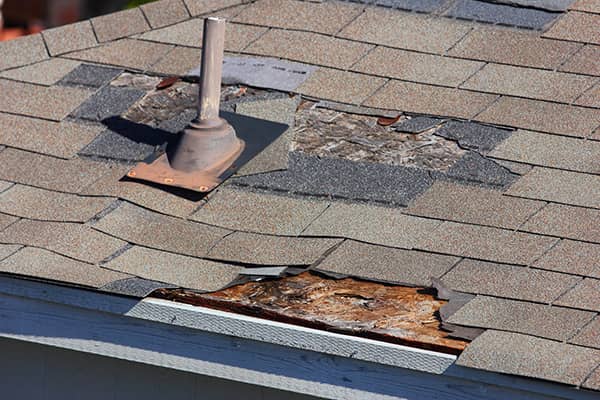
Overflowing gutters can put your roof at risk, especially after heavy rain, storms, falling leaves, or long periods without cleaning. What may look like a simple gutter issue can lead to roof damage, fascia deterioration, leaks, and moisture problems if it is not addressed.
Why Gutters Overflow
Gutters are designed to collect water from your roof and direct it away from your home through downspouts. When that system is blocked, damaged, undersized, or improperly sloped, water has nowhere to go.
Common causes of overflowing gutters include:
- Leaves, sticks, and debris clogging the gutter channel
- Downspouts blocked by debris
- Gutters pulling away from the roofline
- Improper gutter slope
- Gutters that are too small for the amount of roof drainage
- Storm damage or loose fasteners
- Ice, snow, or granule buildup
- Roof valleys sending large amounts of water into one area
During a hard rain, even a partial clog can cause water to spill over the sides of the gutter instead of draining away from the home.
How Overflowing Gutters Can Affect Your Roof
1. Water Can Back Up Under Shingles
This is especially concerning after storms, when wind-driven rain and debris can make drainage problems worse.
2. Fascia and Soffit Can Deteriorate
The fascia is the board that runs along the roof edge where gutters are typically attached. When gutters overflow or pull away, water can soak the fascia and nearby soffit areas.
Repeated moisture exposure can lead to:
- Wood rot
- Peeling paint
- Soft or weakened fascia
- Loose gutters
- Pest entry points
- Mold or mildew concerns
If the fascia becomes damaged, the gutters may no longer stay securely attached, which can make the drainage problem worse.
3. Roof Edges Can Wear Down Faster
Over time, this can contribute to shingle deterioration, weakened seals, and moisture intrusion near the roof edge.
4. Leaks Can Show Up Inside the Home
By the time a leak is visible inside, water may have already traveled through multiple layers of the roofing or wall system. That is why it is important to address overflowing gutters early.
5. Foundation and Exterior Damage Can Follow
A roof drainage issue rarely affects only the roof.
Warning Signs Homeowners Should Watch For
You may have an overflowing gutter problem if you notice:
- Water spilling over the front or back of the gutter
- Waterfalls at roof corners during rain
- Sagging or separated gutters
- Staining on siding below the gutters
- Peeling paint on fascia or soffits
- Plants, leaves, or debris visible in gutters
- Water pooling near the foundation
- Damp areas in the attic
- Interior ceiling or wall stains
- Shingle damage near the roof edge
If you see these signs after a storm, it is worth having the roof and gutter areas checked.
What to Do About Overflowing Gutters
Start With Safety
Clear Visible Debris When Safe
Check Downspouts
Look for Roof and Fascia Damage
These signs may mean the problem has been going on longer than one storm.
Schedule a Professional Roof Inspection
Commonwealth Roofing can inspect your residential roof and help identify whether overflowing gutters have created a larger roofing concern. Catching the problem early can help prevent leaks, moisture damage, and more expensive repairs later.
Don’t Ignore Overflowing Gutters
Overflowing gutters may seem like a small maintenance issue, but they can put your roof and home at risk. Water that does not drain properly can damage roof edges, fascia, soffits, siding, and even interior areas of the home.
If you notice water spilling over your gutters during or after a storm, take it seriously. The sooner the issue is inspected, the easier it may be to prevent further damage.
For a professional residential roof inspection, contact Commonwealth Roofing.
Safety, Service, & Quality — every day since 1981.
Louisville: (502) 459-2216
Hebron: (859) 943-0012
Service: (888) 818-4842